
TL;DR
Sustainable replacements for polyurethane, Sustainable polymers, Polymer biodegradation, High-throughput experimentation, Biodegradation, Polymer crystallinity, Polyurethanes, Nylon
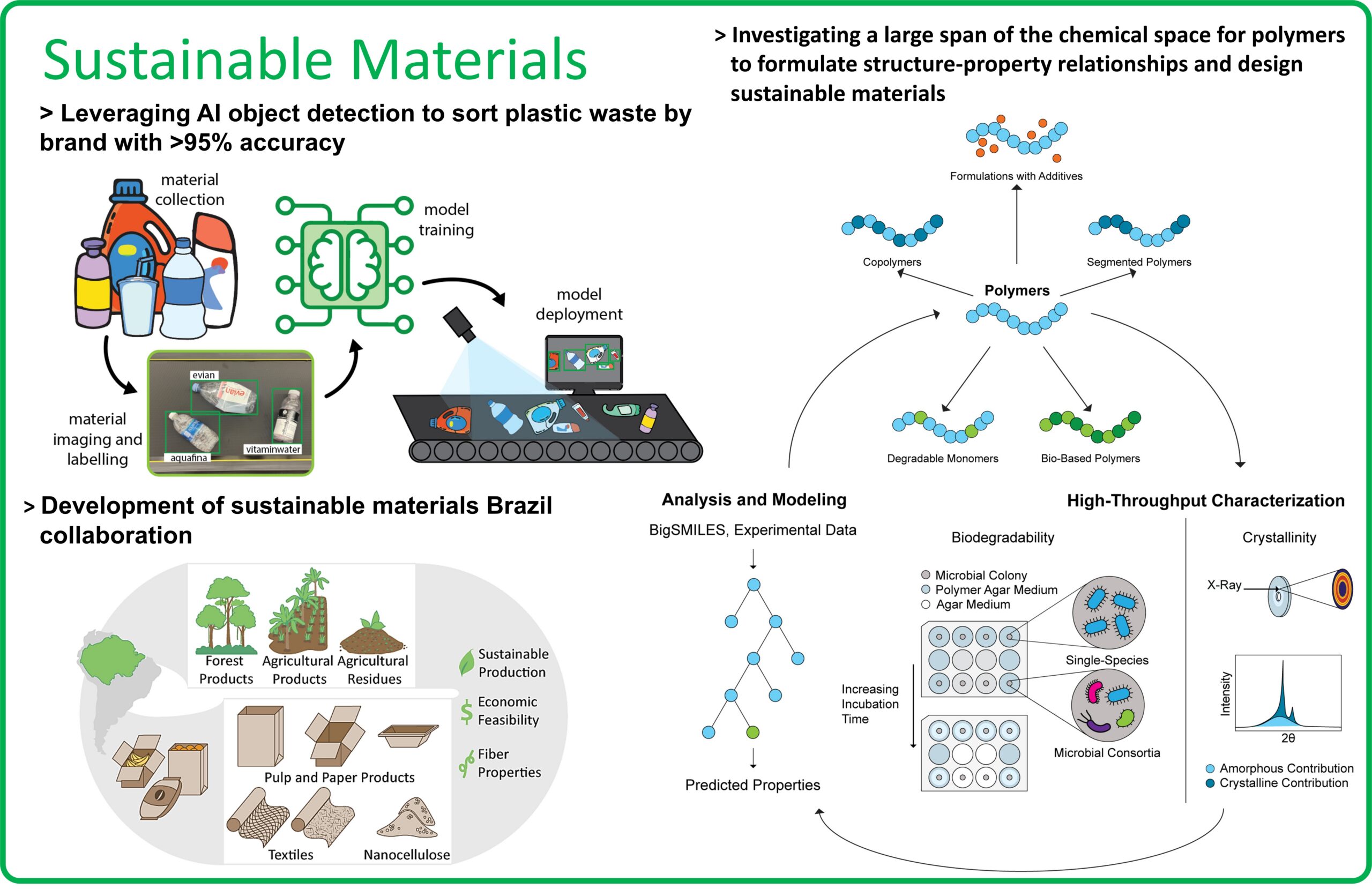
Selected Papers
Biodegradability of Acrylate-Lipoic Acid Copolymers
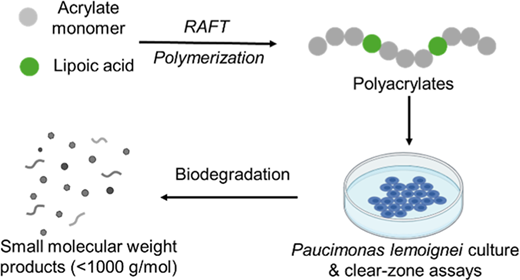
This study investigates lipoic acid as a route to introducing biodegradability into otherwise persistent polyacrylate backbones. Methyl, ethyl, and n-butyl acrylates were copolymerized with varying amounts of lipoic acid, introducing cleavable sulfur-containing linkages into the polymer backbone. Biodegradation was evaluated using several bacterial species, particularly Paucimonas lemoignei. While acrylate homopolymers showed no detectable biodegradation, methyl- and ethyl-acrylate copolymers became biodegradable above a critical lipoic acid content, with more hydrophobic polymers requiring greater incorporation. Analysis of degradation products further showed that P. lemoignei can metabolize the resulting low-molecular-weight acrylate fragments.
Amazonian Fibers for Sustainable Packaging Materials and Circular Bioeconomies
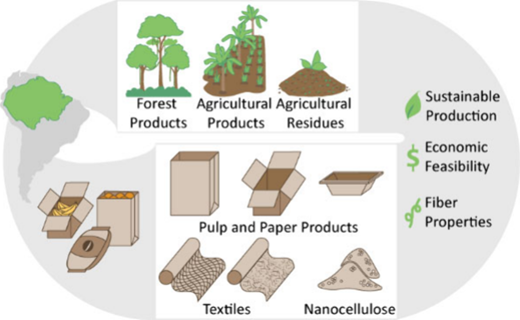
This perspective examines how Amazonian non-wood biomass could support a circular, bio-based materials economy, particularly for sustainable packaging. It identifies 19 high-volume, high-fiber-yield plant sources from agricultural and agroforestry systems with potential applications in pulp and paper, textiles, and nanocellulose. The analysis compares their physical, chemical, mechanical, economic, and sustainability characteristics, highlighting several underused feedstocks with promising material properties. However, major gaps remain in understanding how these fibers perform in multicomponent packaging systems, as well as in life-cycle impacts, scalability, and economic viability.
High-throughput experimentation for discovery of biodegradable polyesters
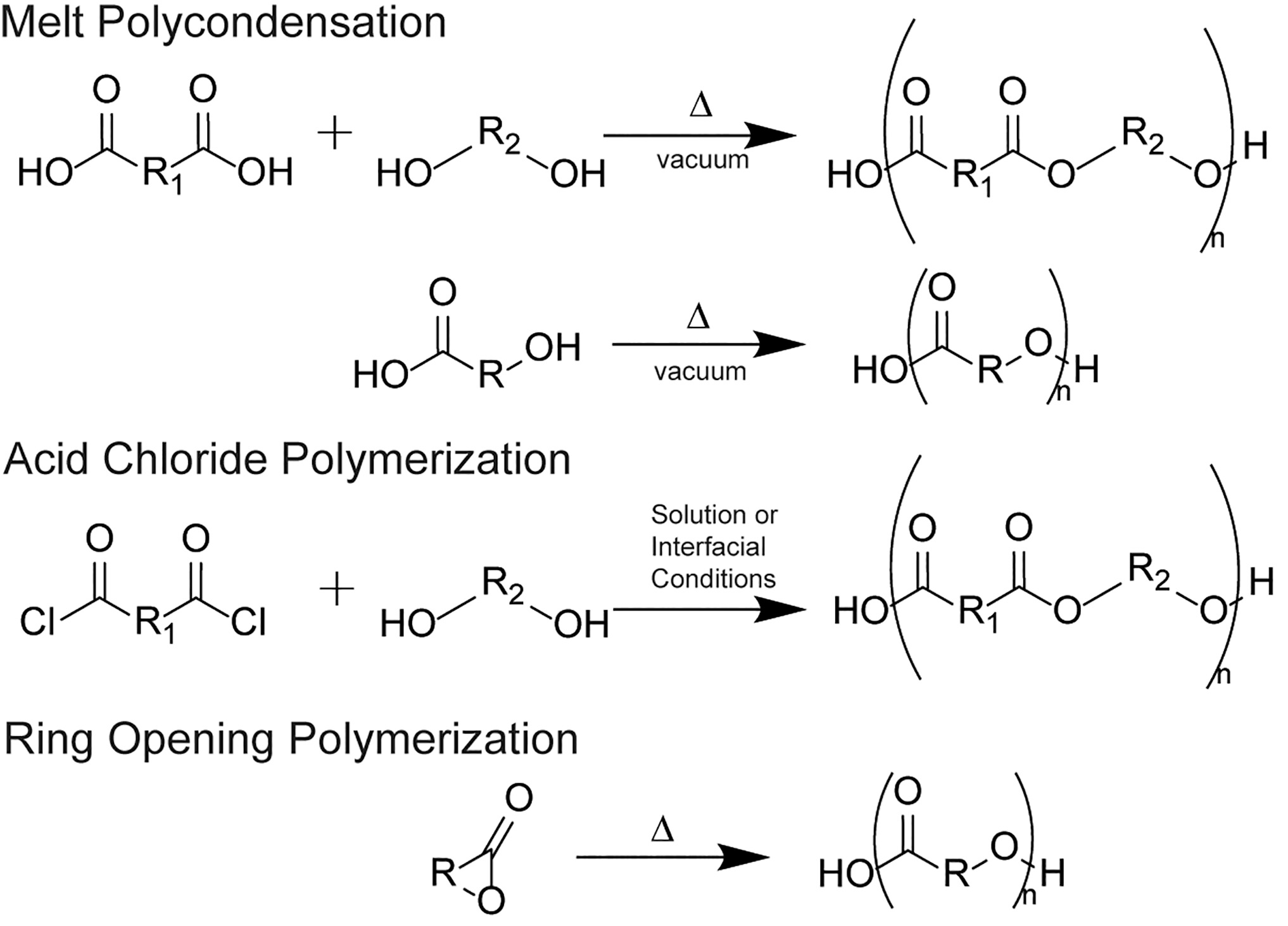
This work develops a high-throughput platform for discovering biodegradable polymers by combining automated polymer synthesis with rapid microbial degradation screening. A library of 642 chemically distinct polyesters and polycarbonates was evaluated using Pseudomonas lemoignei, revealing clear structure–biodegradability relationships. Shorter aliphatic backbone segments and side chains generally enhanced biodegradation, while aromatic groups reduced it, with degradation also depending on aromatic substitution patterns. Backbone ether groups further promoted biodegradability, and some heteroatoms increased degradation rates. Using the resulting large experimental dataset, machine-learning models predicted polymer biodegradability from chemical structure descriptors with over 82% accuracy.
People
- Alexander Bentley
- Gabrielle Godbille-Cardona
- Jignesh S. Mahajan